A friend forwarded to me this link:
http://www.stevepavlina.com/blog/2007/09/subjective-reality-vs-solipsism/
Pavlina is using "solipsism" as a belief, a firm belief that my consciousness is the only consciousness in existence. I use "solipsism" as an absence of belief, esentially agnosticism towards all of reality. My consciousness might be the only consciousness in existence, or it might not be; I do not and cannot know.
Within formal circles of philosophical study, Pavlina's usage would be termed "metaphysical solipsism;" my usage would be termed "epistemological solipsism."
http://www.radiganneuhalfen.com/index_files/TheSteppePhilosophy.htm
Showing posts with label RadiganNeuhalfen.com updates. Show all posts
Showing posts with label RadiganNeuhalfen.com updates. Show all posts
Thursday, November 08, 2007


Friday, October 12, 2007

Thursday, August 16, 2007
The Steppe - Questions for Discussion and Review
1. The Classical Greek philosophical school of Skepticism holds that any knowledge of a physical universe is impossible. What is the horrific implication of Skepticism as presented by The Steppe?
2. What is the “gloriful” implication?
3. Moore’s argument for “common sense” over Skepticism, often summed up by the phrase: “Here is a hand,” argues that there is no more logical basis to distrust the perceptions of your senses than there is to trust them. How does Baatar address this argument?
4. Wittgenstein’s argument against Skepticism claims that Skepticism is thinkable only through a misuse of language, specifically through confusion regarding the contextual meaning and usage of the verb “to know.” How does Baatar address this argument?
5. How might The Steppe actually be considered a reductio ad absurdum argument against Skepticism?
6. Solipsism is the absence of belief that other human beings exist as consciousnesses. Despite the acknowledged logical consistency of Solipsism, there has never been a Solipsistic philosopher. Is Baatar a Solipsist?
7. Consider the original final line of The Steppe: “This narrative is dedicated to you, the reader, though I do not know and cannot know whether you exist.” Is Neuhalfen a Solipsist?
8. Consider Rad as an unreliable narrator who reports only his own subjective reality which, in the course of The Steppe, changes through exposure to Baatarism. How might the supernatural elements of Rad’s narration be explained naturally? (For example, in “Chapter Twenty-Two: Makhchin,” despite what Rad describes, an observer might report Rad killing and eating his own horse.)
9. How does The Steppe’s lack of a narrative counterpoint to Rad’s subjective reality reinforce the philosophical tenets of Baatarism?
10. One of The Steppe’s epigraphs alludes to Beowulf and one is taken from the epic poem itself. How is Baatar like Beowulf?
11. How is Baatar like Grendel?
2. What is the “gloriful” implication?
3. Moore’s argument for “common sense” over Skepticism, often summed up by the phrase: “Here is a hand,” argues that there is no more logical basis to distrust the perceptions of your senses than there is to trust them. How does Baatar address this argument?
4. Wittgenstein’s argument against Skepticism claims that Skepticism is thinkable only through a misuse of language, specifically through confusion regarding the contextual meaning and usage of the verb “to know.” How does Baatar address this argument?
5. How might The Steppe actually be considered a reductio ad absurdum argument against Skepticism?
6. Solipsism is the absence of belief that other human beings exist as consciousnesses. Despite the acknowledged logical consistency of Solipsism, there has never been a Solipsistic philosopher. Is Baatar a Solipsist?
7. Consider the original final line of The Steppe: “This narrative is dedicated to you, the reader, though I do not know and cannot know whether you exist.” Is Neuhalfen a Solipsist?
8. Consider Rad as an unreliable narrator who reports only his own subjective reality which, in the course of The Steppe, changes through exposure to Baatarism. How might the supernatural elements of Rad’s narration be explained naturally? (For example, in “Chapter Twenty-Two: Makhchin,” despite what Rad describes, an observer might report Rad killing and eating his own horse.)
9. How does The Steppe’s lack of a narrative counterpoint to Rad’s subjective reality reinforce the philosophical tenets of Baatarism?
10. One of The Steppe’s epigraphs alludes to Beowulf and one is taken from the epic poem itself. How is Baatar like Beowulf?
11. How is Baatar like Grendel?
Wednesday, July 04, 2007
New Poems at RadiganNeuhalfen.com
The End of the World
Archibald MacLeish
Jenny Kissed Me
Leigh Hunt
God said, “I made a man”
Jose Garcia Villa
Acquainted With the Night
Robert Frost
An Irish Airman Foresees His Death
William Butler Yeats
Archibald MacLeish
Jenny Kissed Me
Leigh Hunt
God said, “I made a man”
Jose Garcia Villa
Acquainted With the Night
Robert Frost
An Irish Airman Foresees His Death
William Butler Yeats
Wednesday, May 23, 2007
Xeer tal

The first chapter of The Steppe in Mongolian, translated by B.Narantsetseg of Chinggis Khaan University.
Wednesday, April 18, 2007

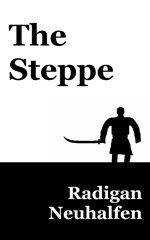
The Steppe
Crossing Mongolia on horseback one summer, Rad encounters a man who lives alone upon the steppe. Known to the nomads as “Buddha” but calling himself “Baatar,” the man lives without a horse, a ger, or a herd of sheep, but with a large, mysterious sword that may once have belonged to Genghis Khan. He claims to survive by hunting and eating monstrous, nocturnal “creatures” of the steppe.
As Rad questions Baatar, seeking the truth, he becomes drawn into the man’s strange reality. Soon, Rad realizes that he, like Baatar, may never wish to leave the steppe, nor be able to.
The Steppe imparts a horrifying, challenging truth—that except for your knowledge that you exist now, you do know nothing, and you can know nothing.
As Rad questions Baatar, seeking the truth, he becomes drawn into the man’s strange reality. Soon, Rad realizes that he, like Baatar, may never wish to leave the steppe, nor be able to.
The Steppe imparts a horrifying, challenging truth—that except for your knowledge that you exist now, you do know nothing, and you can know nothing.
Quotations from The Steppe
“I do not know and cannot know what is out there, nor whether anything is out there at all.”
—The Steppe by Radigan Neuhalfen
“We are in Mongolia.”
—The Steppe by Radigan Neuhalfen
“Gantsaaraa.”
—The Steppe by Radigan Neuhalfen
“You have turned your back on all the world.”
—The Steppe by Radigan Neuhalfen
“The creatures are as real as the steppe.”
—The Steppe by Radigan Neuhalfen
“Why would they want to kill you?”
—The Steppe by Radigan Neuhalfen
“I have memories of drinking the blood of the creatures, and I anticipate doing so again.”
—The Steppe by Radigan Neuhalfen
“Behind me I see distant, dark movement. Other shapes to the north, others to the south. They are coming in at different angles, coming in from all directions.”
—The Steppe by Radigan Neuhalfen
“What you might believe has no bearing upon my ukhaan.”
—The Steppe by Radigan Neuhalfen
“I do not know, and I cannot know.”
—The Steppe by Radigan Neuhalfen
“Maybe he eats grass.”
—The Steppe by Radigan Neuhalfen
—The Steppe by Radigan Neuhalfen
“We are in Mongolia.”
—The Steppe by Radigan Neuhalfen
“Gantsaaraa.”
—The Steppe by Radigan Neuhalfen
“You have turned your back on all the world.”
—The Steppe by Radigan Neuhalfen
“The creatures are as real as the steppe.”
—The Steppe by Radigan Neuhalfen
“Why would they want to kill you?”
—The Steppe by Radigan Neuhalfen
“I have memories of drinking the blood of the creatures, and I anticipate doing so again.”
—The Steppe by Radigan Neuhalfen
“Behind me I see distant, dark movement. Other shapes to the north, others to the south. They are coming in at different angles, coming in from all directions.”
—The Steppe by Radigan Neuhalfen
“What you might believe has no bearing upon my ukhaan.”
—The Steppe by Radigan Neuhalfen
“I do not know, and I cannot know.”
—The Steppe by Radigan Neuhalfen
“Maybe he eats grass.”
—The Steppe by Radigan Neuhalfen
Chapter One of The Steppe
The steppe is like the sea. When you are out upon it, it and the sky are all you can see. It is as wide as it is long; it forms a far horizon in every direction.
I crested the small hill with my two horses—riding the one and leading the other as a packhorse—halted, and looked down into the shallow, narrow valley and at the ger at the nadir of it. The day was ending, and shadows were filling the valley.
I rode to the ger. Inside, the approach of the horses must have been heard. The colorful—blue and orange, with wide vertical stripes of red and yellow—short wooden door swung open, and an old man bent through the jamb and stepped out. I raised my hand in greeting as I rode up, and called out, “Sain baina uu?” Are things well?
“Things are well,” he said. Sain, sain.
I drew the horses to a halt and climbed slowly out of the saddle, my knees sore from riding. I tied the leads of the horses to the zel, a rope strung two meters off the ground between two poles, set up beside the ger. Two other horses were tethered to the zel, one of which was saddled.
As I walked to the old man, I reached into the front flap of my deel, found my tobacco bottle, pulled it out, and unwrapped it from its cloth bunting. I offered it to him. He reached out his right hand to accept it, and suddenly grinned. Closer to one another now, he could see my facial features clearly. He accepted the tobacco bottle, pulled the cap open just a bit, held it to his nose, and sniffed.
He pushed the cap almost closed and handed the bottle back to me, asking, “Where are you from?”
“From Ulaanbaatar,” I answered, holding the bottle in my hand without re-wrapping it.
He grinned again. “Ti russki?” he asked, in Russian. Are you Russian?
“No, no—I am American,” I said, in Mongolian.
His grin was large and cheerful. He turned to the door, opened it, ducked down, and went through. I bent down and followed, even as he turned slightly to wave his hand at me and say, “Come in, come in.”
As I pulled the door shut and straightened up inside the ger, the old man was saying laughingly to the women inside, “Look! It is another American.”
An old woman and a young woman were at the stove. They had both looked up from their cooking, their faces blank, their mouths hanging open. I spoke quickly. “Things are well? Are your animals fattening up well?”
They both grinned, and the young woman said, “Very well, very well.”
There were no other men in the ger, so I tightened the cap on my tobacco bottle, wrapped it, and tucked it into my deel.
I walked around the women at the stove, between them and the saddle rack against the wall, and sat on the short stool at the left side of the low, orange table. The old man had seated himself at the top of the table and had found his tobacco bottle. He proffered it to me, still grinning.
I took it with my right hand, touching my right arm at the elbow with my left hand. I opened the cap slightly, sniffed, then replaced the cap loosely and handed it back to him.
“You speak Mongolian well,” the old man said, pushing the bottle into his deel.
“Thank you. It is a beautiful language.”
They all three laughed. “If you say so,” the young woman said. Then she spoke to the old woman, and they began chatting between themselves.
“What is your name?” the old man said through his smile.
“Radnaa,” I said.
“That is a Mongolian name!”
“Yes.”
“What is your original name?”
I told him. “Eh?” he said, bending his head down and leaning his ear closer to me.
“Call me Radnaa.”
“Yes, yes,” he said, grinning. “That is actually a Tibetan name.”
“Yes.”
“Where did you get it?”
“A friend gave it to me in Ulaanbaatar.”
“That is good, that is good,” the old man said, nodding his head in approval.
“He told me that many Mongolians have Tibetan names.”
“It is true! We are very connected to Tibet. We are both Buddhist countries.” He asked, “Are you Buddhist?”
“More or less,” I said.
He laughed. Then he leaned closer to me, conspiratorially, and said, “Me too!”
He had poured two glasses of vodka and set the bottle in the center of the table. He handed one glass to me, then picked up the other glass from the table, raised it, and said in Russian, “To health!”
I raised my glass and said, also in Russian, “To Lenin!”
He laughed. “Yes, to Lenin, to Lenin!” We drank the shots and set the glasses on the table. He immediately refilled them.
For a moment, the ger was silent.
“So who is this other American?” I asked...
I crested the small hill with my two horses—riding the one and leading the other as a packhorse—halted, and looked down into the shallow, narrow valley and at the ger at the nadir of it. The day was ending, and shadows were filling the valley.
I rode to the ger. Inside, the approach of the horses must have been heard. The colorful—blue and orange, with wide vertical stripes of red and yellow—short wooden door swung open, and an old man bent through the jamb and stepped out. I raised my hand in greeting as I rode up, and called out, “Sain baina uu?” Are things well?
“Things are well,” he said. Sain, sain.
I drew the horses to a halt and climbed slowly out of the saddle, my knees sore from riding. I tied the leads of the horses to the zel, a rope strung two meters off the ground between two poles, set up beside the ger. Two other horses were tethered to the zel, one of which was saddled.
As I walked to the old man, I reached into the front flap of my deel, found my tobacco bottle, pulled it out, and unwrapped it from its cloth bunting. I offered it to him. He reached out his right hand to accept it, and suddenly grinned. Closer to one another now, he could see my facial features clearly. He accepted the tobacco bottle, pulled the cap open just a bit, held it to his nose, and sniffed.
He pushed the cap almost closed and handed the bottle back to me, asking, “Where are you from?”
“From Ulaanbaatar,” I answered, holding the bottle in my hand without re-wrapping it.
He grinned again. “Ti russki?” he asked, in Russian. Are you Russian?
“No, no—I am American,” I said, in Mongolian.
His grin was large and cheerful. He turned to the door, opened it, ducked down, and went through. I bent down and followed, even as he turned slightly to wave his hand at me and say, “Come in, come in.”
As I pulled the door shut and straightened up inside the ger, the old man was saying laughingly to the women inside, “Look! It is another American.”
An old woman and a young woman were at the stove. They had both looked up from their cooking, their faces blank, their mouths hanging open. I spoke quickly. “Things are well? Are your animals fattening up well?”
They both grinned, and the young woman said, “Very well, very well.”
There were no other men in the ger, so I tightened the cap on my tobacco bottle, wrapped it, and tucked it into my deel.
I walked around the women at the stove, between them and the saddle rack against the wall, and sat on the short stool at the left side of the low, orange table. The old man had seated himself at the top of the table and had found his tobacco bottle. He proffered it to me, still grinning.
I took it with my right hand, touching my right arm at the elbow with my left hand. I opened the cap slightly, sniffed, then replaced the cap loosely and handed it back to him.
“You speak Mongolian well,” the old man said, pushing the bottle into his deel.
“Thank you. It is a beautiful language.”
They all three laughed. “If you say so,” the young woman said. Then she spoke to the old woman, and they began chatting between themselves.
“What is your name?” the old man said through his smile.
“Radnaa,” I said.
“That is a Mongolian name!”
“Yes.”
“What is your original name?”
I told him. “Eh?” he said, bending his head down and leaning his ear closer to me.
“Call me Radnaa.”
“Yes, yes,” he said, grinning. “That is actually a Tibetan name.”
“Yes.”
“Where did you get it?”
“A friend gave it to me in Ulaanbaatar.”
“That is good, that is good,” the old man said, nodding his head in approval.
“He told me that many Mongolians have Tibetan names.”
“It is true! We are very connected to Tibet. We are both Buddhist countries.” He asked, “Are you Buddhist?”
“More or less,” I said.
He laughed. Then he leaned closer to me, conspiratorially, and said, “Me too!”
He had poured two glasses of vodka and set the bottle in the center of the table. He handed one glass to me, then picked up the other glass from the table, raised it, and said in Russian, “To health!”
I raised my glass and said, also in Russian, “To Lenin!”
He laughed. “Yes, to Lenin, to Lenin!” We drank the shots and set the glasses on the table. He immediately refilled them.
For a moment, the ger was silent.
“So who is this other American?” I asked...
Subscribe to:
Posts (Atom)